Warlord: Awaji Instant Action Guide
What Instant Action is for
The developer described the mode as a two-team custom battle sandbox for testing combat. The playtest lets you adjust variables such as unit count, Respawn Tickets and weather, then drops both sides into a fight shaped by control points.
It is deliberately narrower than the campaign. In practical terms, use it to learn combat timing, weapon handling, crowd awareness and progression without assuming that its match rules are the campaign's world-conquest rules.
How a match is won
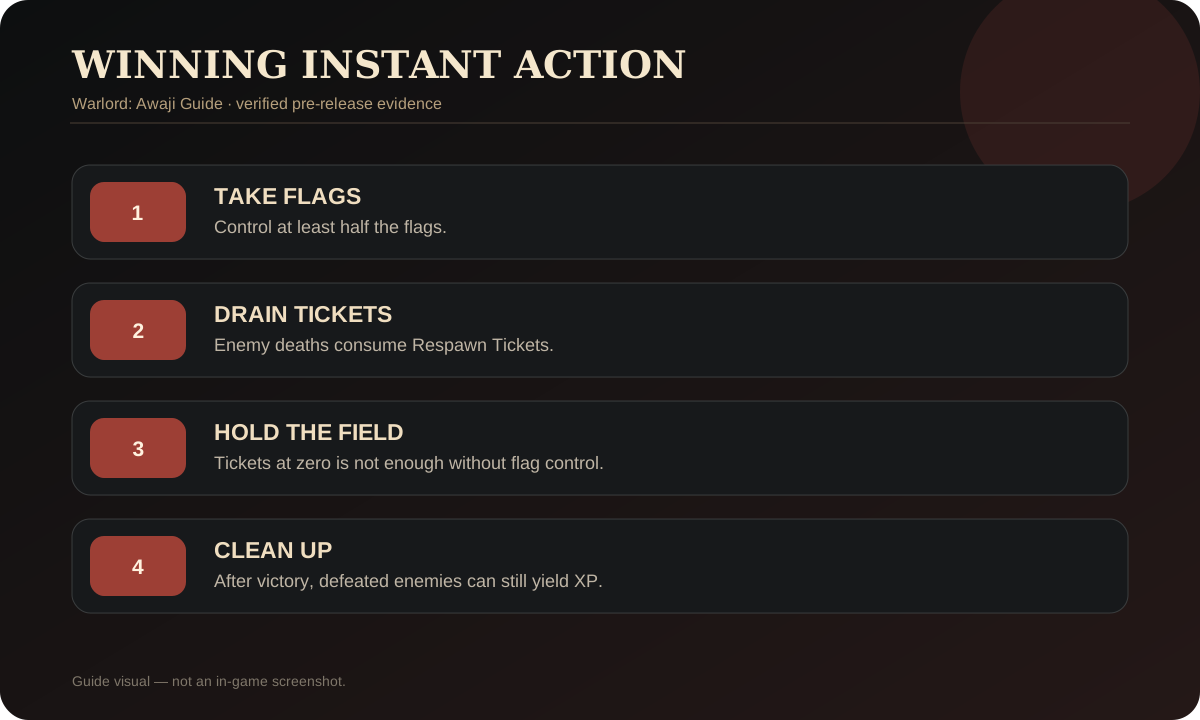
The in-game tutorial gives two conditions:
- Deplete all enemy Respawn Tickets.
- Control at least half of the flags.
Both matter. A high kill count does not automatically end the battle if the map state is wrong.
What Respawn Tickets mean
Respawn Tickets behave like the team's remaining pool of lives. When a warrior is defeated and replaced, that pool moves toward zero. This makes repeated clean kills strategically useful, but it also means throwing yourself into bad fights can cost your own side resources.
For troubleshooting, read Flags & Respawn Tickets if you are asking "why hasn't the battle ended yet?"
XP and equipment between matches
Defeating enemy combatants awards XP. Leveling then opens additional equipment choices in the main menu. The exact full-release unlock table still needs verification, so the useful playtest rule is simple: fight effectively, gain XP, re-check the equipment menu after levels.
Settings seen in the playtest
Long-form footage shows controls for weather, unit count per side and Respawn Tickets. These are useful for practice:
| Setting | What changing it does for practice |
|---|---|
| Units per side | Changes battle density and how readable the melee feels |
| Respawn Tickets | Changes how long attrition can continue |
| Weather | Changes visibility and atmosphere |
| Time/lighting options in some builds | Changes visual readability |
The exact option list can change before release, so this table describes observed playtest behavior rather than a permanent settings reference.
Good practice setup
For learning, smaller battles are easier to read. You can identify banners, observe stamina and test weapon reach without being instantly swallowed by a large melee. Once those basics are comfortable, increase the unit count and practice staying with your side under pressure.